As solar power systems continue to expand across residential, commercial, and industrial sectors, the importance of choosing the right solar inverter has never been greater. While photovoltaic (PV) modules capture sunlight and generate electricity, it is the inverter that makes this energy usable by converting direct current (DC) into alternating current (AC). Different applications, grid conditions, and energy goals require different inverter technologies.
This article provides a comprehensive overview of the types of solar inverters, explaining how they work, where they are used, and how to select the right solution—especially in systems that integrate energy storage inverters and smart energy management.
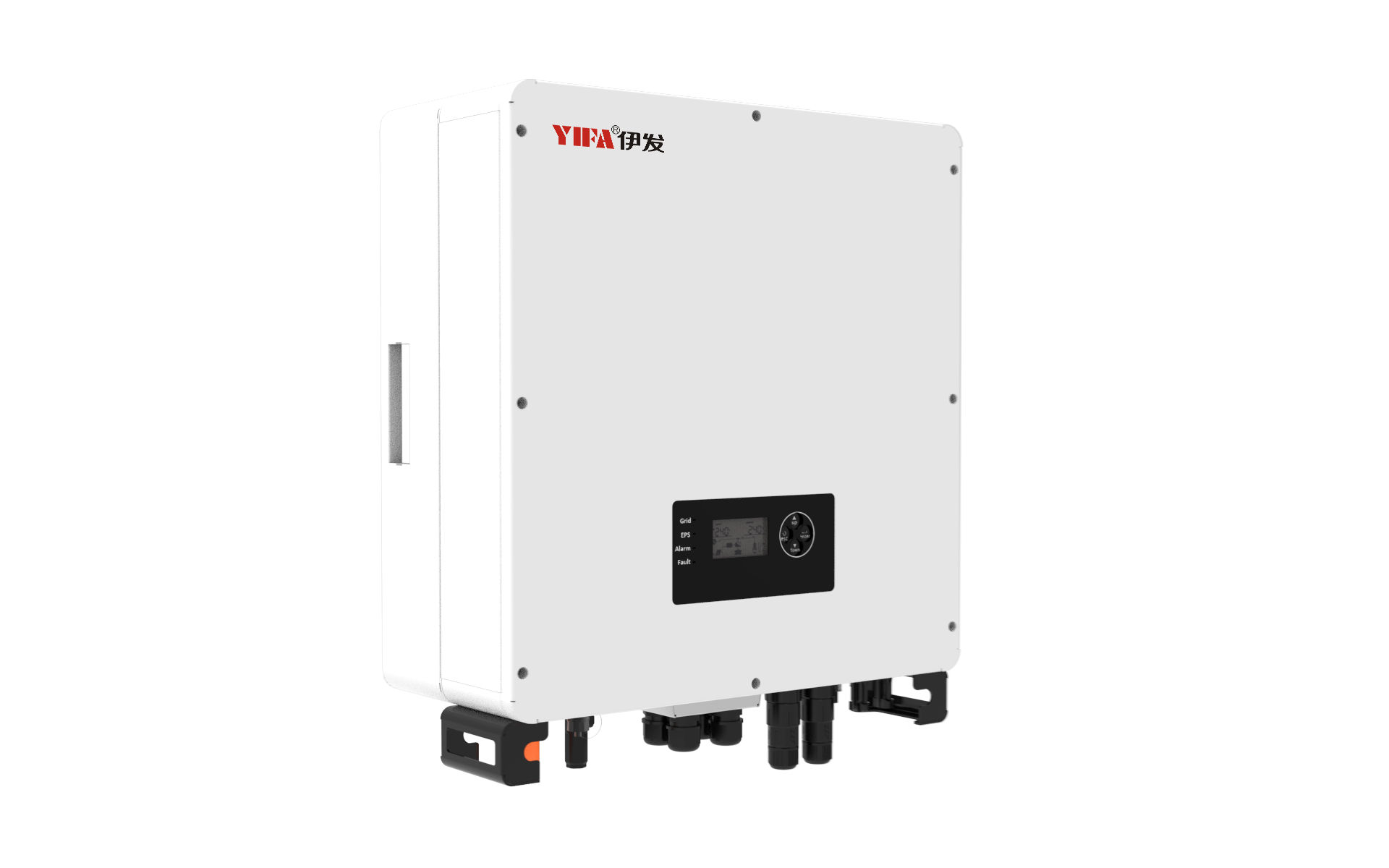
A solar inverter is the “brain” of a photovoltaic system. Beyond simple DC-to-AC conversion, modern inverters are responsible for:
Maximum Power Point Tracking (MPPT)
Grid synchronization and protection
System monitoring and communication
Energy flow management between PV, batteries, loads, and the grid
In systems that include batteries or EV charging, the inverter’s role becomes even more critical. Choosing the wrong inverter type can limit system performance, scalability, and return on investment.
PV modules generate DC electricity that cannot be used directly by most appliances or fed into the utility grid. A solar inverter performs three core functions:
DC to AC Conversion – Converts DC output into grid-compatible AC power
Power Optimization – Uses MPPT algorithms to maximize energy harvest
System Protection – Ensures safe operation through anti-islanding, grounding, and fault detection
In advanced systems such as solar energy storage inverters, the inverter also manages battery charging, discharging, and backup power supply.
Solar inverters can be classified based on system architecture, capacity, and functionality. Below are the most widely used types.
A string inverter connects a series (or “string”) of PV modules to a single inverter. It is one of the most common and cost-effective inverter solutions.
Advantages
Lower upfront cost
Simple installation and maintenance
Proven and reliable technology
Limitations
Shading on one module affects the entire string
Limited system design flexibility
Typical Applications
Residential rooftop systems
Small commercial installations
String inverters are often available as single-phase or 3 phase solar inverters, depending on system size and grid requirements.
Central inverters are large-capacity inverters designed to handle power from hundreds or thousands of PV modules.
Advantages
Lower cost per watt at scale
Simplified grid connection
Ideal for high-power applications
Disadvantages
Single point of failure
Less flexibility in system layout
Common Use Cases
Utility-scale solar power plants
Large industrial solar farms
Central inverters are typically three-phase systems and are widely used in grid-connected projects.
Microinverters are installed at the module level, with each PV module having its own inverter.
Advantages
Module-level power optimization
Excellent performance under shading
Detailed system monitoring
Disadvantages
Higher upfront cost
More rooftop electronics
Ideal Applications
Residential rooftops with complex layouts
Systems requiring high reliability and monitoring
While microinverters improve energy yield, they are less commonly used in large-scale or wholesale solar inverters markets due to cost considerations.
Power optimizers are installed at the module level but still rely on a central string inverter. They condition DC power before sending it to the inverter.
Benefits
Improved performance in shaded conditions
Module-level monitoring
Lower cost than microinverters
Limitations
Requires a compatible string inverter
Power optimizers strike a balance between system cost and performance and are popular in performance-focused residential projects.
Hybrid solar inverters combine the functions of a grid-tied inverter and a battery inverter in one unit. They can manage energy from PV modules, batteries, loads, and the utility grid simultaneously.
Key Features
Integrated battery management
Backup power during grid outages
Smart energy scheduling and peak shaving
Advantages
Future-ready for energy storage
Reduced system complexity
Higher energy independence
Applications
Residential solar + storage systems
Commercial energy management solutions
A hybrid energy storage inverter is ideal for users who want to maximize self-consumption and ensure backup power reliability.
Off-grid inverters operate independently of the utility grid and rely entirely on batteries and solar generation.
Advantages
Complete energy independence
Suitable for remote or rural areas
Challenges
Higher system cost
Requires precise battery sizing and load management
Typical Use Cases
Remote homes
Islands and rural electrification projects
Off-grid inverters are often combined with solar energy storage inverters for stable power supply.

Grid-tied inverters synchronize solar output with the utility grid, exporting excess electricity and importing power when solar production is insufficient.
Advantages
High efficiency
Lower system cost
Compatible with net metering policies
Limitations
No backup power during grid outages without batteries
A 3 phase grid-tied inverter for residential use is increasingly popular in large homes and villas with high power demand.
An energy storage inverter is specifically designed to manage bidirectional power flow between batteries and the grid or loads.
Core Functions
Battery charging and discharging
Energy arbitrage (peak shaving and valley filling)
Backup power supply
Applications
Residential solar + storage
Commercial and industrial energy management
Microgrids and virtual power plants
These inverters form the backbone of modern distributed energy systems.
Smart inverters go beyond basic power conversion by supporting grid services such as:
Voltage and frequency regulation
Remote monitoring and firmware updates
Integration with EMS, EV chargers, and smart grids
Smart inverter technology is becoming mandatory in many regions due to evolving grid codes.
Inverter Type | Cost | Flexibility | Storage Ready | Typical Use |
String Inverter | Low | Medium | Optional | Residential / Commercial |
Central Inverter | Very Low (per W) | Low | Limited | Utility-scale |
Microinverter | High | High | Limited | Residential |
Hybrid Solar Inverter | Medium | High | Yes | Solar + Storage |
Off-Grid Inverter | Medium | Medium | Yes | Remote systems |
Energy Storage Inverter | Medium–High | High | Core function | C&I / Microgrids |
When selecting a solar inverter, consider the following factors:
System size and power demand
Grid connection type (single-phase or 3 phase solar inverters)
Battery integration requirements
Monitoring and smart energy features
Product certifications and after-sales support
Reliability of the wholesale solar inverters supplier
Matching the inverter to PV module technology and energy storage strategy is critical for long-term system success.
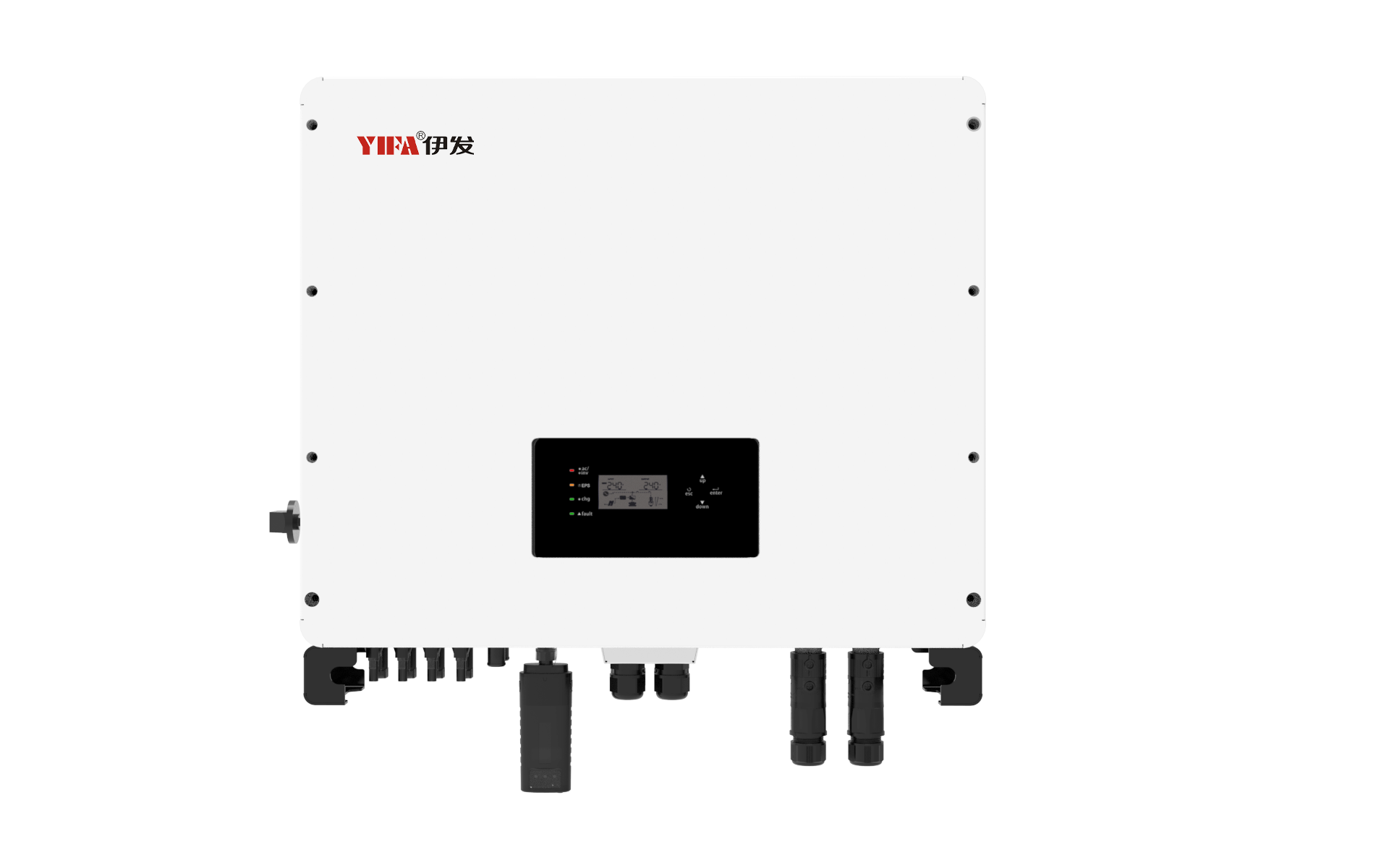
The solar inverter industry is rapidly evolving, driven by:
Deeper integration with energy storage
AI-based energy management
EV charging and smart load control
Participation in virtual power plants (VPPs)
Inverters are no longer passive devices—they are becoming active energy management hubs.
Understanding the different types of solar inverters is essential for designing efficient, reliable, and future-ready solar power systems. From traditional string and central inverters to advanced hybrid solar inverters and energy storage inverters, each technology serves a specific role in the renewable energy ecosystem. As energy systems become more decentralized and intelligent, inverter selection will play a decisive role in system performance and economic return.
As a national high-tech enterprise dedicated to intelligent and eco-friendly industrial electrical solutions, YIFA Holding Group is a leader in smart photovoltaic generation and energy storage integration, delivering comprehensive solutions centered on photovoltaic inverters, energy storage cabinets, and smart charging piles—supporting the global transition to cleaner, smarter energy systems.

Explore together and create value together
We guide your information carefully