Electricity meters are essential devices that record how much electrical energy is consumed in a home, business, or industrial facility. While most people receive monthly electricity bills, many do not fully understand how the numbers on the meter translate into actual energy usage and costs. Knowing how to read an electricity meter allows you to verify billing accuracy, monitor consumption patterns, and make informed decisions about energy efficiency.
This article explains how to read different types of electricity meters, including analog, digital, and smart meters. It also covers single-phase and three-phase meters commonly used in residential, commercial, and industrial applications.
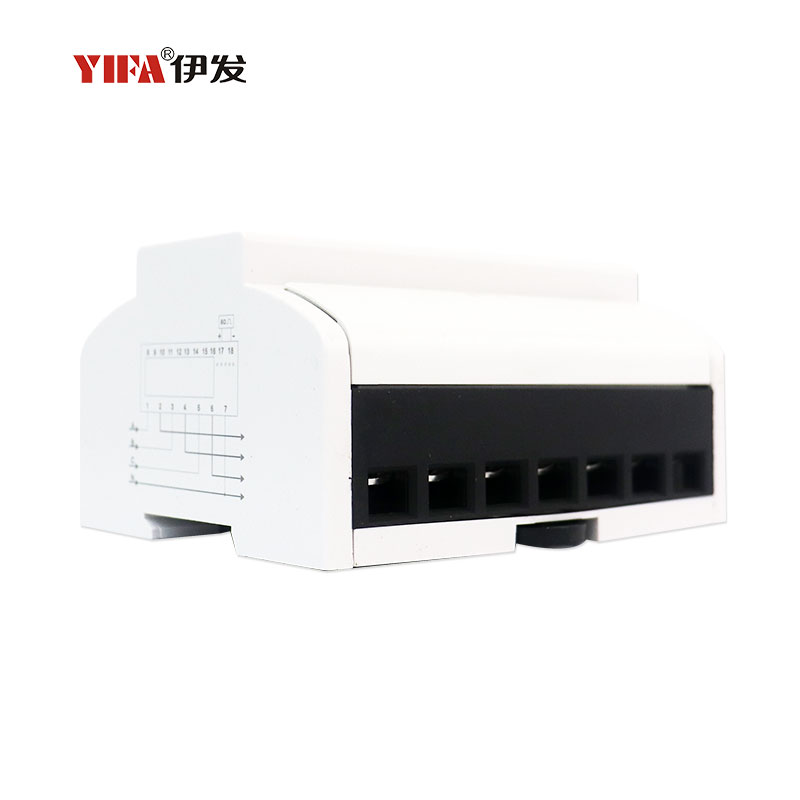
Reading an electricity meter is not just for utility technicians. For homeowners, it helps track household energy usage and identify abnormal consumption. For businesses, especially those using a business electricity meter, accurate readings are essential for cost control and energy management.
By understanding how meter readings work, you can:
Verify electricity bills
Detect unexpected increases in consumption
Improve energy efficiency
Better manage peak and off-peak usage
Whether you are dealing with a 1 phase electricity meter at home or a 3 phase electricity meter in a factory, the basic principles remain the same.
An electricity meter is a device that measures the amount of electrical energy consumed over time. The standard unit of measurement is the kilowatt-hour (kWh), which represents the energy used by a 1,000-watt appliance operating for one hour.
Electricity meters are installed by utilities to record consumption for billing purposes, but sub-meters are also widely used in commercial and industrial settings to monitor specific loads or departments.
Before learning how to read a meter, it is important to understand which type you have.
Analog meters, often found in older buildings, use a series of rotating dials to display consumption. These meters have no digital screen and require careful reading of each dial.
Although they are gradually being replaced, analog meters are still used in some regions and facilities.
Digital electricity meters display usage on an LCD or LED screen. They are easier to read than analog meters and are commonly used for both residential and business electricity meter applications.
Digital meters may display additional information such as voltage, current, and meter ID numbers.
Smart meters automatically transmit usage data to the utility company. They often support advanced functions such as real-time monitoring and time-of-use billing, commonly used in a 2 rate electricity meter configuration.
Smart electricity meters are increasingly used in residential and commercial environments to support energy management programs.
An analog electricity meter typically has four or five dials arranged in a row. Each dial represents a different digit of the total kWh reading.
Key points to remember:
Dials rotate in alternating directions
Numbers increase clockwise on some dials and counterclockwise on others
You always read the dials from left to right
Start with the leftmost dial
Record the number the pointer has just passed, not the number it is approaching
If the pointer is between two numbers, record the lower number
Repeat for each dial moving right
If a pointer is exactly on a number, check the dial to the right. If the next dial has not passed zero, record the lower number.
Suppose the dials read:
Dial 1: between 3 and 4 → record 3
Dial 2: between 7 and 8 → record 7
Dial 3: between 2 and 3 → record 2
Dial 4: between 9 and 0 → record 9
The meter reading would be 3729 kWh.
A digital meter usually displays a numeric kWh value directly, making it much easier to read than an analog meter. Some digital meters automatically cycle through several screens.
Look for the screen labeled “kWh” or “Total Energy.”
Locate the kWh display
Write down the whole number shown
Ignore decimal places unless your utility specifies otherwise
Digital meters are commonly used for 1 phase electricity meter installations in homes and small offices.
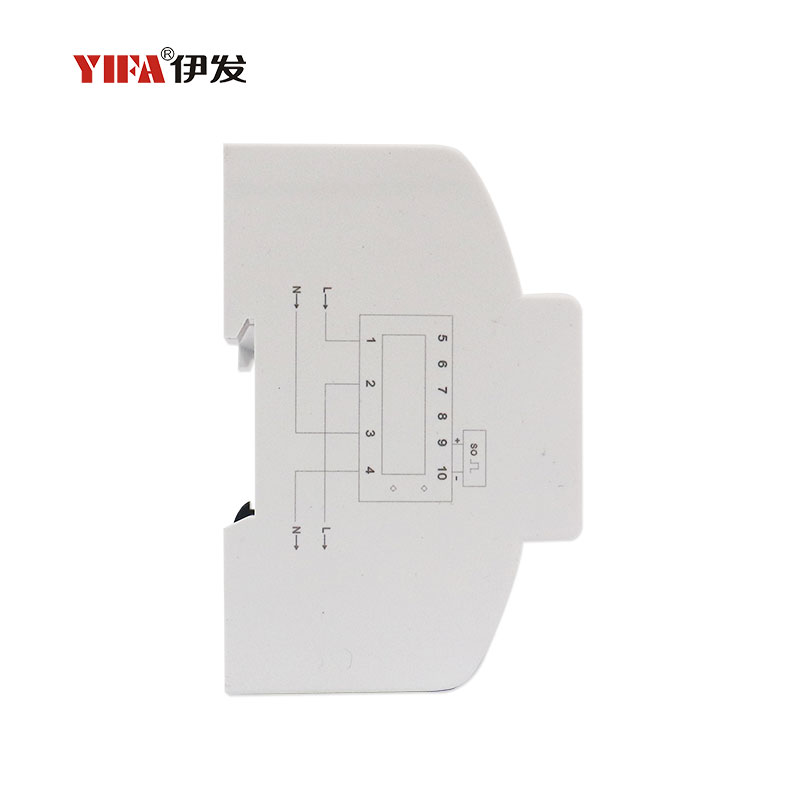
Smart meters may show multiple registers depending on billing structure. For example, a 2 rate electricity meter displays separate readings for peak and off-peak electricity usage.
Common displays include:
Total consumption
Peak usage
Off-peak usage
Current demand
To read a smart meter:
Scroll through the display using the meter button
Record each relevant register (e.g., peak and off-peak)
Use these readings to understand how consumption varies throughout the day
This information is especially useful for businesses looking to optimize energy usage.
To calculate electricity consumption for a billing period:
Record your current meter reading
Subtract the previous reading
The result is your electricity usage in kWh
For example:
Current reading: 12,450 kWh
Previous reading: 12,100 kWh
Usage: 350 kWh
This calculation applies to all meter types, including 3 phase electricity meter systems.
A 1 phase electricity meter is typically used in residential properties and small businesses. It measures power delivered through a single alternating current.
These meters are simple to read and usually display total kWh consumption.
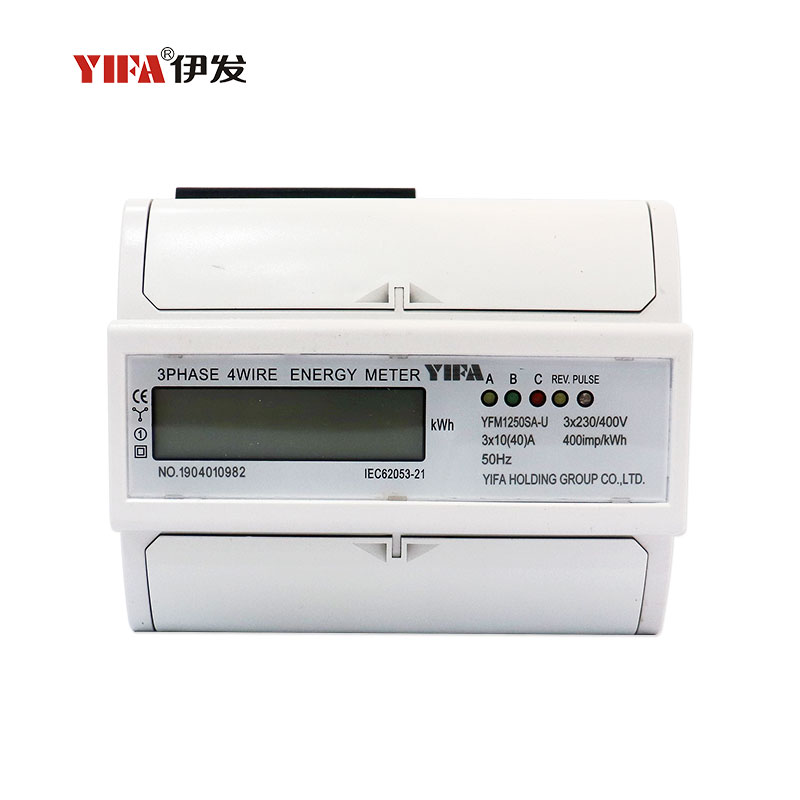
A 3 phase electricity meter is used in industrial facilities, large commercial buildings, and sites with heavy electrical loads. It measures power across three separate phases.
Although the reading process is similar, three-phase meters often include additional data such as phase voltage and current. Many 3 phase electricity meter suppliers provide advanced meters with digital or smart features to simplify monitoring.
Some devices consume standby power, and smart meters may also record system activity.
Meters are regulated and tested, but faults can occur. If readings seem incorrect, contact your utility.
Monthly checks are sufficient for most users. Businesses may benefit from weekly or daily monitoring.
Learning how to read an electricity meter empowers you to better understand and control your energy usage. Whether you are tracking household consumption with a 1 phase electricity meter, managing peak demand with a 2 rate electricity meter, or monitoring industrial loads through a 3 phase electricity meter, accurate readings are the foundation of effective energy management.
Regular monitoring helps identify inefficiencies, verify billing accuracy, and support long-term cost savings.

Explore together and create value together
We guide your information carefully