Modern electrical and electronic systems are more advanced—and more sensitive—than ever before. From industrial automation lines and data centers to elevators, renewable energy systems, and household appliances, today’s equipment relies heavily on stable electrical power. However, power systems are constantly exposed to electrical surges that can cause immediate damage or long-term degradation. This is where a surge protective device plays a critical role.
This article explains what a surge protective device is, how it works, the different types available, and how to select the right solution for various applications, including industrial power systems, elevators, and signal protection.
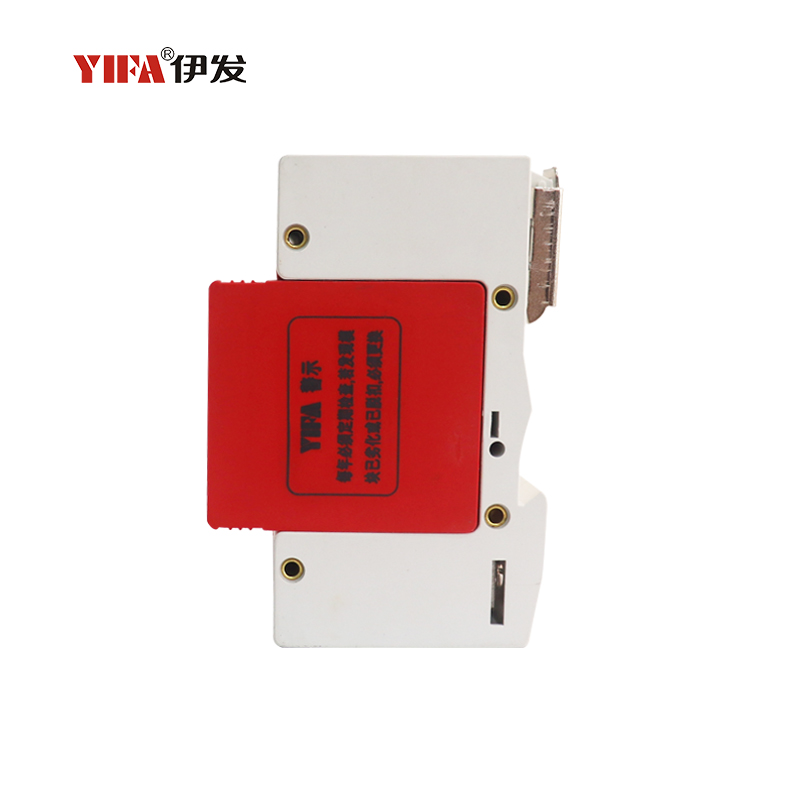
Electrical surges are sudden, short-duration increases in voltage that exceed normal operating levels. Although many surges are small and go unnoticed, repeated exposure can significantly reduce the lifespan of electrical equipment. Larger surges, especially those caused by lightning or grid switching events, can lead to catastrophic failure.
With increasing automation and digitalization, systems now contain microprocessors, sensors, and communication modules that are extremely sensitive to voltage spikes. A properly selected surge protective device (SPD) helps prevent costly downtime, data loss, and equipment replacement by safely diverting excess energy away from critical systems.
A surge protective device is an electrical protection component designed to limit transient overvoltages and divert surge currents away from sensitive equipment. It acts as a defensive barrier between the power source and the electrical load.
Unlike basic plug-in surge strips, professional surge protective devices are installed at various points within an electrical system—such as service entrances, distribution panels, or directly at equipment terminals—and are engineered to handle high-energy surges.
In simple terms, an SPD monitors voltage levels and responds instantly when a surge occurs, clamping the voltage to a safe level and directing excess energy to ground.
Understanding surge sources helps explain why surge protection must be comprehensive rather than localized.
Lightning strikes: Even indirect lightning strikes can induce high-voltage transients in power lines.
Utility grid switching: Power restoration, capacitor switching, and fault clearing can generate large voltage spikes.
Transmission system disturbances: Long-distance power lines can introduce surges during load changes.
These external surges often require high-capacity SPDs, such as 3 phase surge protection devices, to protect entire electrical systems.
Starting and stopping of motors
Operation of elevators and heavy machinery
Switching of inductive or capacitive loads
Internal static discharge
Internal surges occur far more frequently than lightning-related surges and are a common cause of gradual equipment degradation.
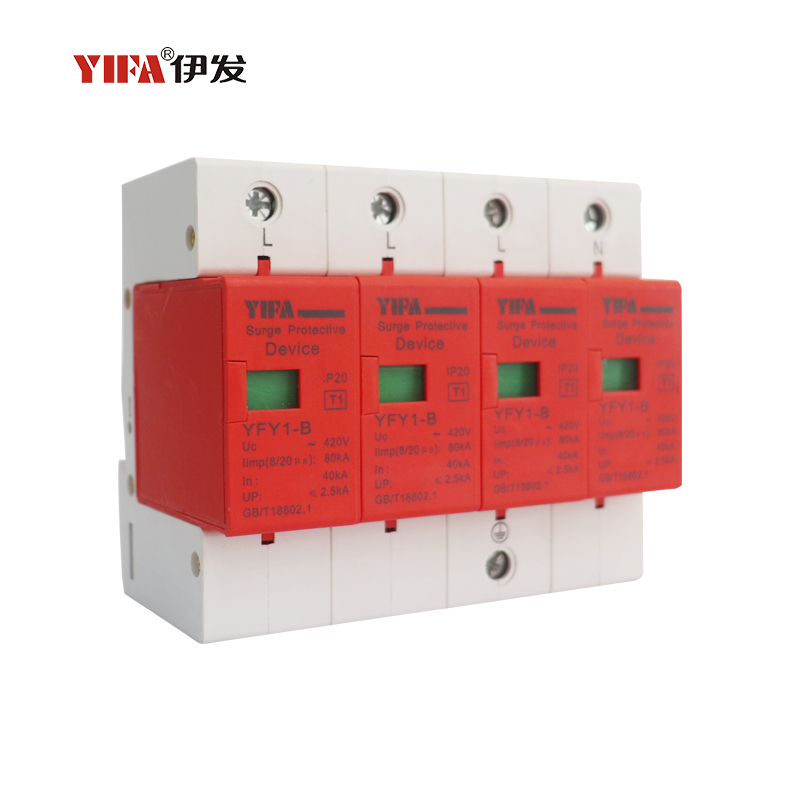
The basic working principle of a surge protective device is voltage limitation and energy diversion.
Under normal conditions, the SPD remains inactive and does not affect system operation. When a surge occurs and voltage exceeds a predefined threshold, the SPD activates instantly:
The device clamps the voltage to a safe level
Excess energy is redirected to ground
Normal operation resumes once the surge subsides
Key performance factors include response time, energy-handling capacity, and voltage protection level.
Different technologies are used inside surge protective devices, each suited to specific applications.
MOVs are the most common SPD components. They change resistance rapidly when voltage exceeds a threshold, allowing surge current to pass through safely.
High energy absorption capability
Widely used in power SPDs, including 240V surge protection devices
GDTs use an ionized gas to conduct surge energy when voltage rises sharply.
High surge current handling
Slower response time than MOVs
Often combined with other components
TVS diodes respond extremely quickly and are ideal for protecting sensitive electronics.
Very fast response
Lower energy capacity
Common in signal surge protective devices
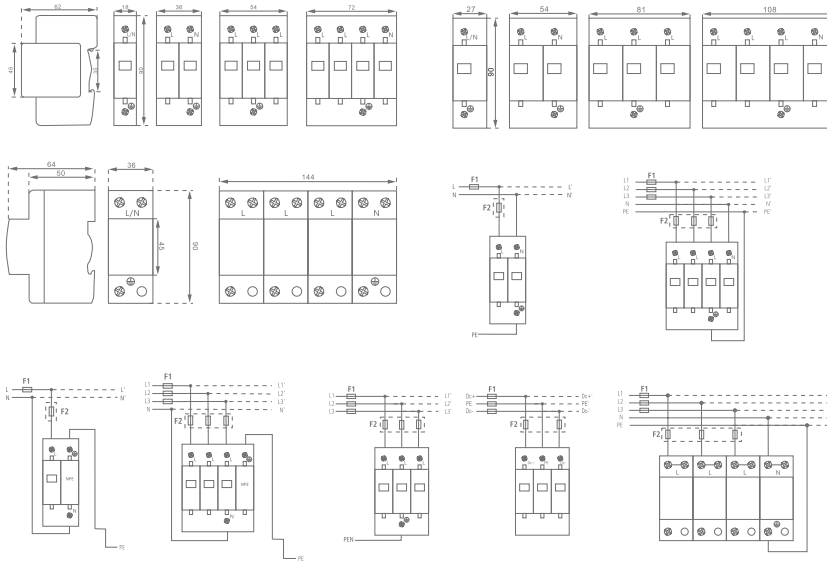
SPDs are classified based on their installation location and protection level.
Installed at the main service entrance
Protects against direct lightning surges
Used in facilities with external lightning protection systems
Installed at distribution panels
Protects against residual lightning energy and internal surges
Common in industrial and commercial buildings
Installed close to sensitive equipment
Provides point-of-use protection
Often used for electronics, control systems, and communication equipment
A layered approach using multiple surge protective devices provides the most reliable protection.
When selecting an SPD, understanding technical ratings is essential.
MCOV (Maximum Continuous Operating Voltage): Maximum voltage the SPD can withstand continuously
Nominal Discharge Current (In): Surge current the device can handle repeatedly
Maximum Discharge Current (Imax): Highest surge current the SPD can safely divert
Voltage Protection Level (Up): Residual voltage passed to equipment
Response Time: How quickly the SPD reacts to a surge
For critical systems, such as elevators or automation lines, selecting a properly rated surge protection device for elevators is especially important.
Main electrical panels
Home electronics and appliances
Smart home systems
Residential systems often use 240V surge protection devices to safeguard single-phase power supplies.
Manufacturing plants
Data centers and control rooms
Elevators and escalators
Industrial systems typically require 3 phase surge protection devices to protect motors, drives, and PLCs from internal switching surges.
Solar PV inverters
Wind power systems
Rail transit and communication networks
In these applications, both power and signal surge protective devices are necessary to protect data and control circuits.
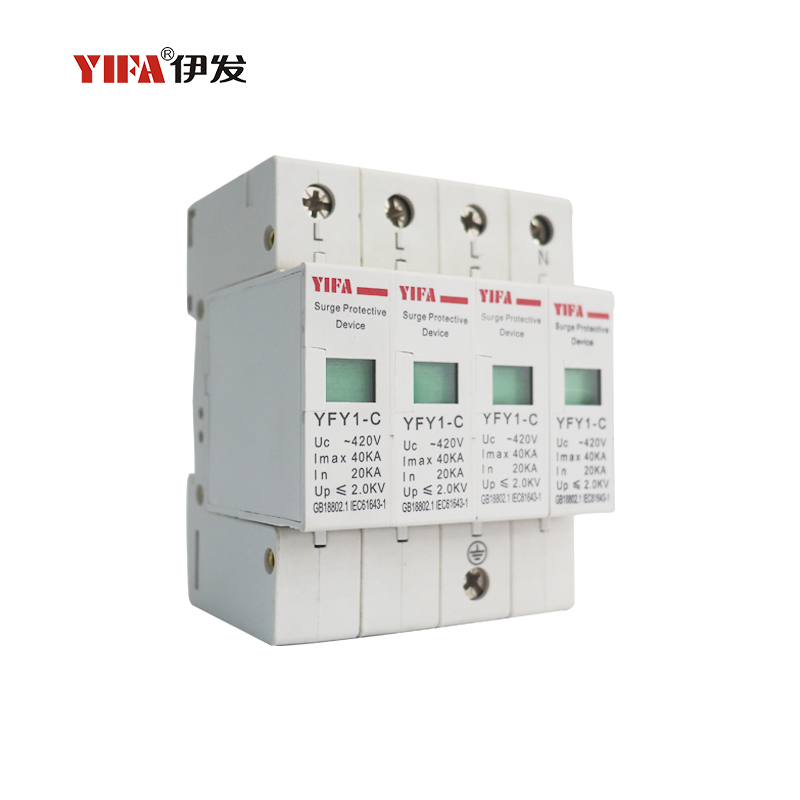
International standards ensure performance and safety:
IEC 61643 – Surge protective devices for low-voltage systems
UL 1449 – Safety standard for SPDs in North America
IEEE standards – Surge environment and protection guidelines
Compliance with recognized standards is essential when selecting surge protection solutions for critical infrastructure.
When selecting an SPD, consider:
Power system voltage and configuration
Single-phase or three-phase requirements
Surge exposure risk
Type of equipment being protected
Environmental conditions
For complex systems, combining power SPDs with signal surge protective devices provides comprehensive protection for both energy and data paths.
A surge protective device is an essential component of modern electrical systems, protecting valuable equipment from transient overvoltages caused by lightning, grid disturbances, and internal switching events. By understanding how SPDs work, the different types available, and how to select the correct ratings, system designers and operators can significantly improve reliability and reduce long-term maintenance costs.
Effective surge protection is not a single product but a well-designed strategy that safeguards power, signal, and control systems across all levels of an electrical network.
YIFA Holding Group is a national high-tech enterprise dedicated to intelligent and eco-friendly industrial electrical solutions, with diversified operations across finance, e-commerce, trade, and investment. YIFA excels in the manufacturing of high-voltage, extra-high-voltage, and specialty transformers, with strong R&D capabilities in smart sensors, energy-efficient transformers, three-phase amorphous core transformers, and other low-carbon power equipment. YIFA provides reliable and advanced solutions, including high-quality surge protective devices, for a wide range of industrial and infrastructure applications.

Explore together and create value together
We guide your information carefully